How America Lost Its Culture of Competency
On a recent Saturday morning, I was running a list of errands. The list wasn’t very long and what should have only taken about 20-30 minutes turned into over an hour of frustration. Between incompetent drivers and long waits at the ATM and drive thru it reminded me of my thoughts when I first first started training students in the use of firearms. Most of the student claimed to have a “lifetime” of experience with firearms, and many of them were former military or law enforcement, but I was shocked at their lack of competency. The more I learned as an instructor the more I realized that America’s relationship with firearms reveals a deeper shift in society. Training, practice and preparedness which was once routine, expected, and culturally reinforced has become rare.
When Firearms Were Required for Food, Defense & Freedom.
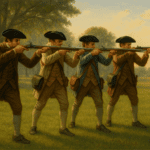
In colonial America firearms were everyday survival tools. Most people lived rurally, hunted for food, protected livestock, and defended isolated homes. Local militias expected citizens to show up already equipped and proficient. Marksmanship and safe handling weren’t taught in classes; they were learned through daily necessity. Firearms proficiency wasn’t exceptional—it was just another everyday skill.
A Modern Disconnect
The Industrial Revolution broke this cycle of hands‑on skill. As people moved into cities, they no longer hunted for survival, or had to protected isolated property. Institutions took over roles once handled by individuals and communities—food production, security, and more. As daily need disappeared, so did routine exposure. Firearms proficiency followed the same path as skills like carpentry, blacksmithing, and mechanical repair: still present, but no longer universal. Today’s firearms exposure and use is inconsistent, recreational, occasional, or absent until a crisis forces it. Modern life assumes specialization and outsourcing. Convenience has made it possible to avoid skills once considered essential, but firearms require individual responsibility that can’t be delegated. America didn’t lose firearms competency overnight. It faded as necessity faded.
The Road Back to Competency
We now face a cultural challenge. We hold dear the original intent of 2nd Amendment, and still rely on firearms for self-defense. However, we are 250 years and 10 generations removed from the immediacy of the challenges that required proficiency. We can no longer rely on our forefathers to teach us these skills. Our options are;
1) Spend hundreds of hours and expend thousands of rounds of ammo on the range in a “trial and error” exercise to improve our skill.
2) Fast track your skill by setting a goal to take at least one or two professionally developed training class per year. These classes should be build on skill levels and go beyond basic handgun/permit to carry classes. In professionally developed classes you avoid the trial and error time and ammo and actually end up progressing quicker while saving money.
View our wide variety of firearms training classes on our website!
